




Start with a 40° fan for car paint, a wide fan for patio pavers and a 25° fan for sound, uncoated concrete. Before swapping to a stronger spray, check what the surface can handle. The chart below helps you choose a starting tip, then shows when a turbo nozzle helps, how soap and rinse differ, and what to check before fitting a replacement.
Pressure washer nozzle chart
|
Surface or task |
Start with |
What to watch |
|
Car paint |
40° fan, lowest suitable setting |
Keep moving and follow the washer and vehicle instructions. Avoid turbo and narrow jets. |
|
Patio pavers |
Wide fan, low setting |
Test the finish first. Keep the spray off joints and stop if sand washes out. |
|
Sound, uncoated concrete driveway |
25° fan after a test patch |
Use even overlapping passes. Increase cleaning intensity only if the surface tolerates it. |
|
Stubborn grime on suitable hard concrete |
Compatible turbo nozzle after testing |
Keep moving. Avoid coatings, damaged concrete and paver joints. |
|
Detergent application and rinsing |
Approved soap mode, then a suitable rinse fan |
Detergent delivery depends on the washer. A soap setting does not replace a foam cannon. |
The angle describes how wide the spray spreads. A 40° tip covers more area with each pass. A 25° tip puts the spray into a narrower band, which helps on sound concrete when a wider fan leaves grime behind. A 15° tip is more concentrated again, and a 0° tip produces a pinpoint jet. For the jobs in this guide, start with a wider tip. Some washers use an adjustable lance instead of separate tips, so check the spray setting as well as the nozzle colour.

Why does the same nozzle behave differently on another washer?
Spray angle, flow and distance all matter
The colour or angle alone cannot tell you the force reaching the surface. Two home pressure washers can produce different results with a 40° fan because their operating pressure, flow and nozzle opening differ. Start at the distance recommended in your exact manual, then assess the test area before moving closer. Keep your distance and travel speed consistent as you clean.
Use detergent before a more concentrated jet
Road film, oily marks and organic growth may need a surface-approved cleaner and the correct dwell time. Repeatedly moving a narrow tip closer can mark the surface while leaving the underlying stain. Once loose dirt has gone, reassess what remains and choose a cleaner approved for both the surface and the washer. The gentlest effective method usually gives a more even finish.
Which pressure washer nozzle should you use on a car?
Use a wide, gentle fan to rinse off loose grit before touching the paint with a wash mitt. Start well back from the panel, keep the spray moving and work from the roof down. Take extra care around stone chips, peeling clear coat and the edges of decals, where a concentrated jet can lift material.
If you’re using a foam cannon, apply car shampoo as directed on the label and rinse before it dries. On a hot afternoon, work in the shade or wash one section at a time. Keep the turbo nozzle off paint, tyres and trim. If you’ve just fitted a wall-mounted unit, use the wall-mounted pressure washer installation guide to check your hose route before washing. Being able to reach both sides of the car helps you maintain a comfortable distance from the panels.

How do you clean patio pavers without blasting out the joint sand?
Sweep away leaves and grit first. Start with a wide fan on the face of a paver and make overlapping passes so you can see what’s lifting. Angle the spray across the surface and avoid holding it over the joints. If you see sand washing out, back off and reduce the pressure before continuing.
Check what the patio is made of before switching to a narrower tip. Natural stone, sealed pavers and older concrete can react differently even when they look similar. If the surface manufacturer allows pressure washing, test your setting in a hidden spot and let it dry before checking for changes in colour or finish. Use the lowest setting that gets the result you want. If the job also includes nearby walls, the guide to pressure washing a house explains how to approach those different surfaces.
Let the test area dry before committing
Wet pavers can hide changes to a sealer or surface texture. Check the dry patch for roughness, exposed aggregate or patchy colour before cleaning the whole patio. If the paving supplier recommends brushing with a suitable cleaner instead, follow that method. Plan the work in manageable sections so you can monitor the finish and keep loosened grit away from already cleaned areas.

When is a turbo nozzle useful on a driveway?
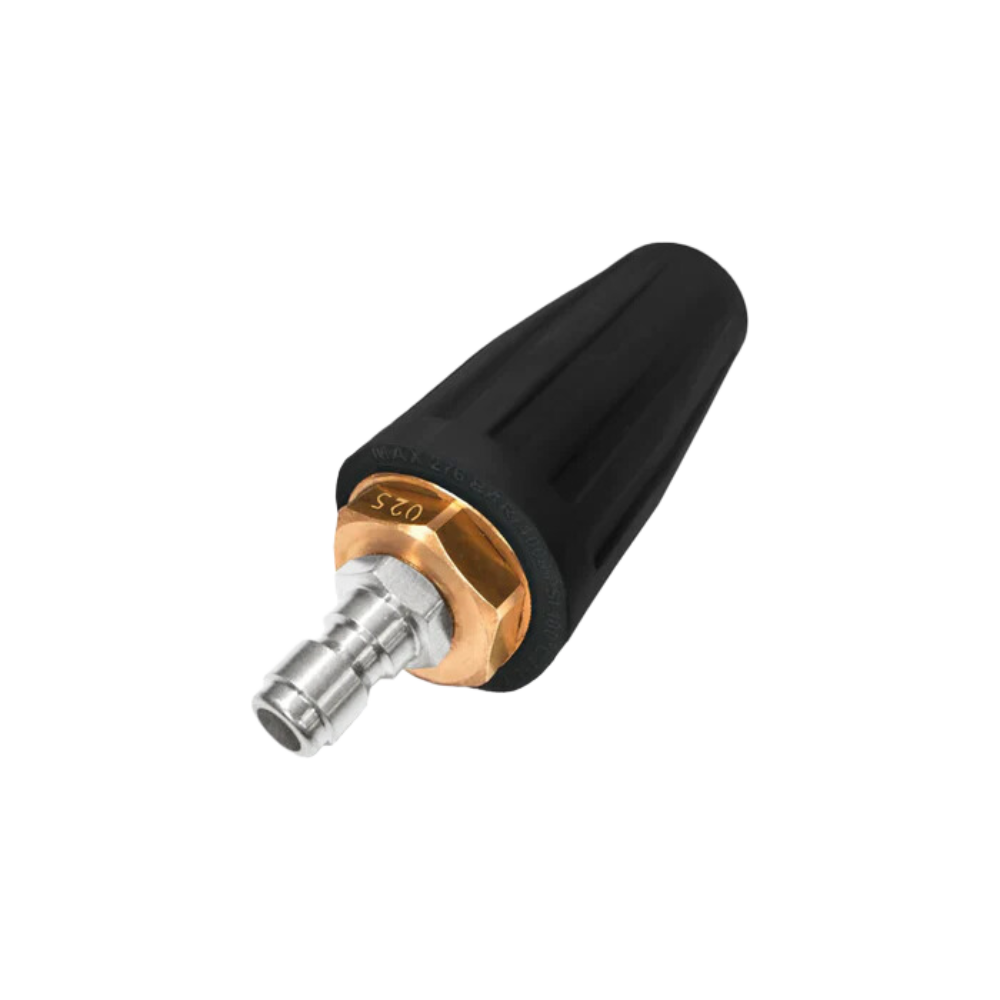
On sound, uncoated concrete, try the 25° fan over the whole driveway first. Use steady, overlapping passes to avoid leaving strips between cleaned areas. If general dirt lifts but a patch of ingrained grime remains, that’s when a pressure washer turbo nozzle can help.
A turbo nozzle spins a concentrated jet, so it covers a wider path than a stationary pinpoint stream while retaining a strong cleaning action. Test it on a small patch and keep it moving. If the test patch dries noticeably lighter than the surrounding concrete or the surface starts to break away, switch back to the fan. Check the connector and pressure rating before fitting a turbo nozzle to your lance.
Are multi-pattern spray nozzles worth it?
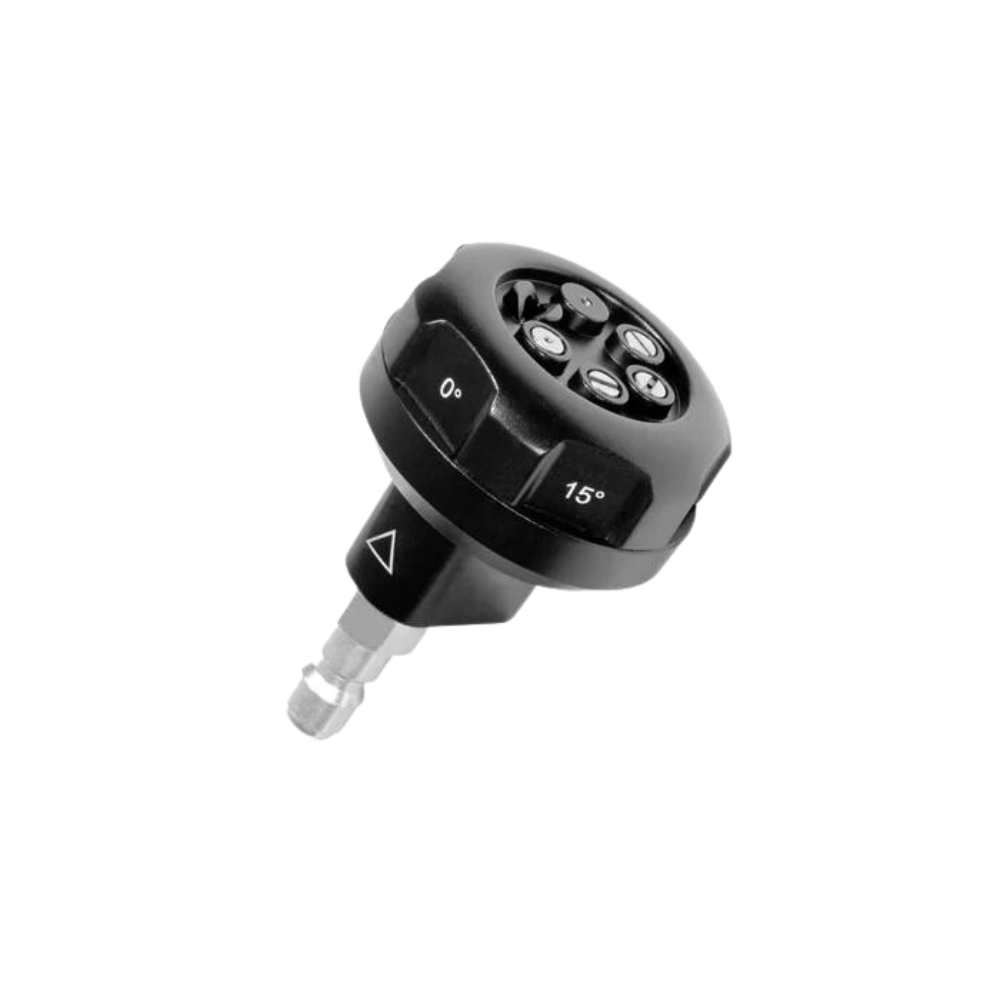
A multi-pattern tip is handy when you regularly change jobs. You might use a wider fan to rinse the car, switch to soap mode to apply detergent, then select a narrower fan for sound concrete. The 6-in-1 pressure washer spray nozzle has 0°, 15°, 25° and 40° spray patterns, plus soap and rinse modes. Before buying one, check the connection at the end of your lance, where the nozzle fits.
Soap and rinse need different checks
Soap mode selects a detergent-application pattern, but the washer determines how detergent reaches it. Follow your model’s instructions for its detergent bottle or foam cannon, including the approved cleaner and dilution. A multi-pattern nozzle cannot create a detergent supply that the machine lacks. After the labelled dwell time, rinse using the appropriate setting before the cleaner dries.
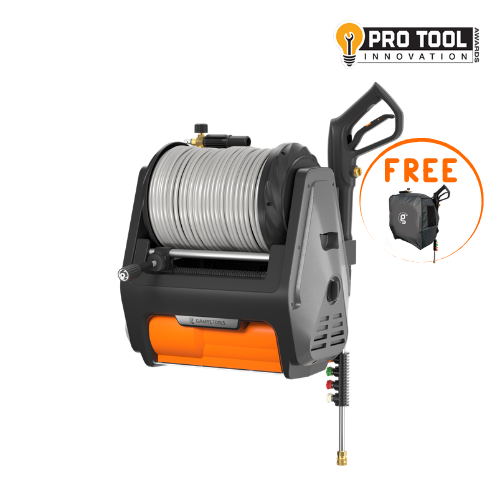
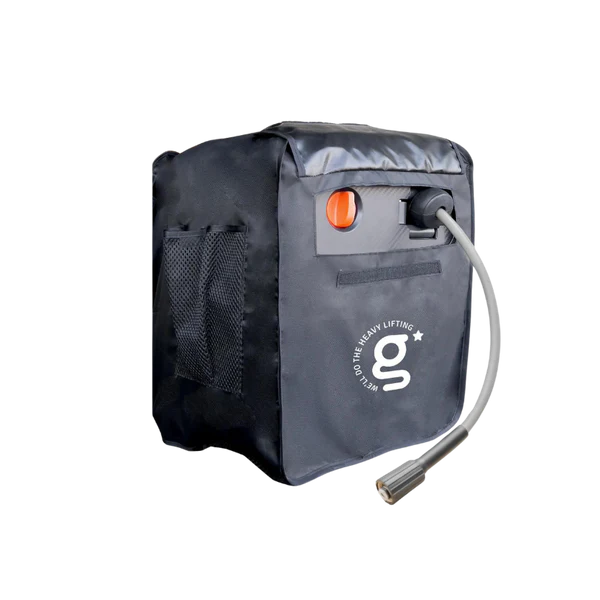
If you already own a washer, try the tips supplied with it first. When comparing wall mounted pressure washers, check which tips, lance and detergent attachment come with each model. That shows whether your usual cleaning jobs are covered straight out of the box.
How do you check nozzle compatibility before buying?
Match the connection at the lance
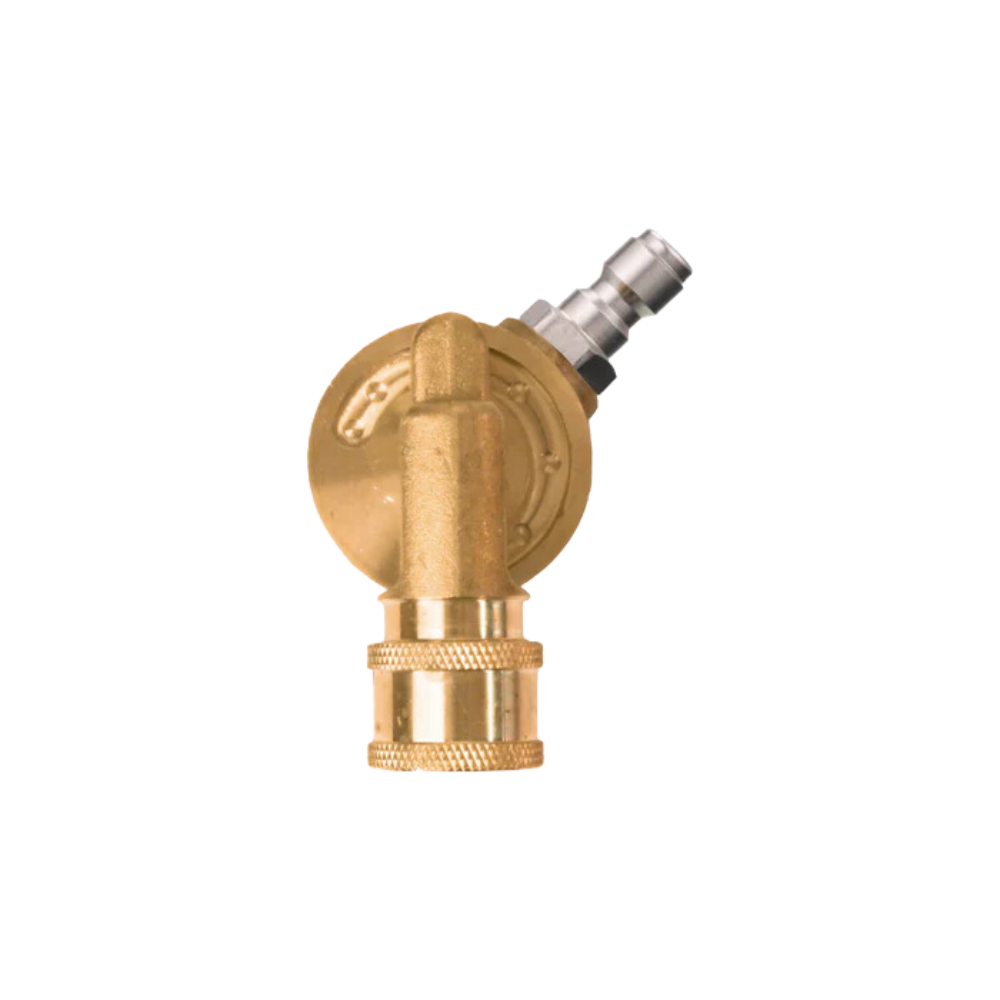
The Australian 6-in-1 listing specifies a 6 mm quick plug, and the turbo nozzle is offered with a 6 mm quick connector. Check the fitting on your exact Grandfalls lance against the accessory listing. A similar-looking plug or a familiar brand name does not establish compatibility. If you use an adaptor, it also needs to be approved for the connection and working pressure.
Check pressure, flow and orifice size
A nozzle must suit the washer’s operating pressure and water flow as well as its connection. The spray angle describes the pattern, while the orifice controls the opening through which water passes. An unsuitable opening can change how the machine operates. The AU listings do not provide a complete pressure, flow and orifice compatibility table, so ask support to confirm suitability for your model when those details are unclear.
Change tips with the pressure released
Switch off the washer and release trapped pressure using the procedure in its manual. Keep the lance pointed away from people and pets, fit the nozzle fully and check that the connector has locked. For a quick-connect fitting, gently tug the installed tip before restarting. Start the next test with the lance aimed at a suitable surface and your feet on firm ground.
FAQs
Is 2500 PSI enough to clean a driveway?
A washer rated at 2500 PSI can tackle routine dirt on many sound concrete driveways, but the result also depends on flow, staining and the concrete finish. Oil marks may need a suitable cleaner first. For a large driveway, check that any surface cleaner is compatible with the washer’s working pressure and flow. Test a discreet patch before proceeding.
Will 3000 PSI of pressure washing damage concrete?
It can, particularly on weak, flaking, newly laid or decorative concrete. There is no single PSI threshold that guarantees a damage-free result. Ask the installer or surface supplier about curing and cleaning requirements, especially where a sealer is present. Stop if the test area becomes rough, sheds material or dries with a changed finish.
How do I calculate the correct nozzle size for my pressure washer?
Use the washer manufacturer’s sizing chart with the rated water flow and intended operating pressure. The nozzle-size number describes its flow capacity and is separate from its spray angle or connector diameter. If your chart uses US GPM, divide L/min by approximately 3.785 before looking up the size. For Grandfalls, confirm the approved nozzle with support when the required size is not specified.
Is a 25 degree pressure washer nozzle safe for a car?
It may be suitable only where the washer and vehicle instructions allow it, with an appropriate pressure setting and distance. A 25° fan concentrates the spray more than a 40° fan, leaving less margin around paint chips, badges and seals. Begin with the approved wider fan. If road film remains, use suitable shampoo and gentle contact washing before increasing spray intensity.
How many gpm and psi do I need from a good pressure washer?
Choose around your regular jobs, available water supply and the surfaces you need to protect. Compare rated working pressure and flow together, rather than relying on the largest advertised PSI figure. Higher flow can reduce rinsing time across a large driveway, while delicate surfaces need controllable output. Check whether advertised pressure and flow figures apply under the same operating conditions. One US GPM is approximately 3.8 L/min.